
Your Moving House Checklist
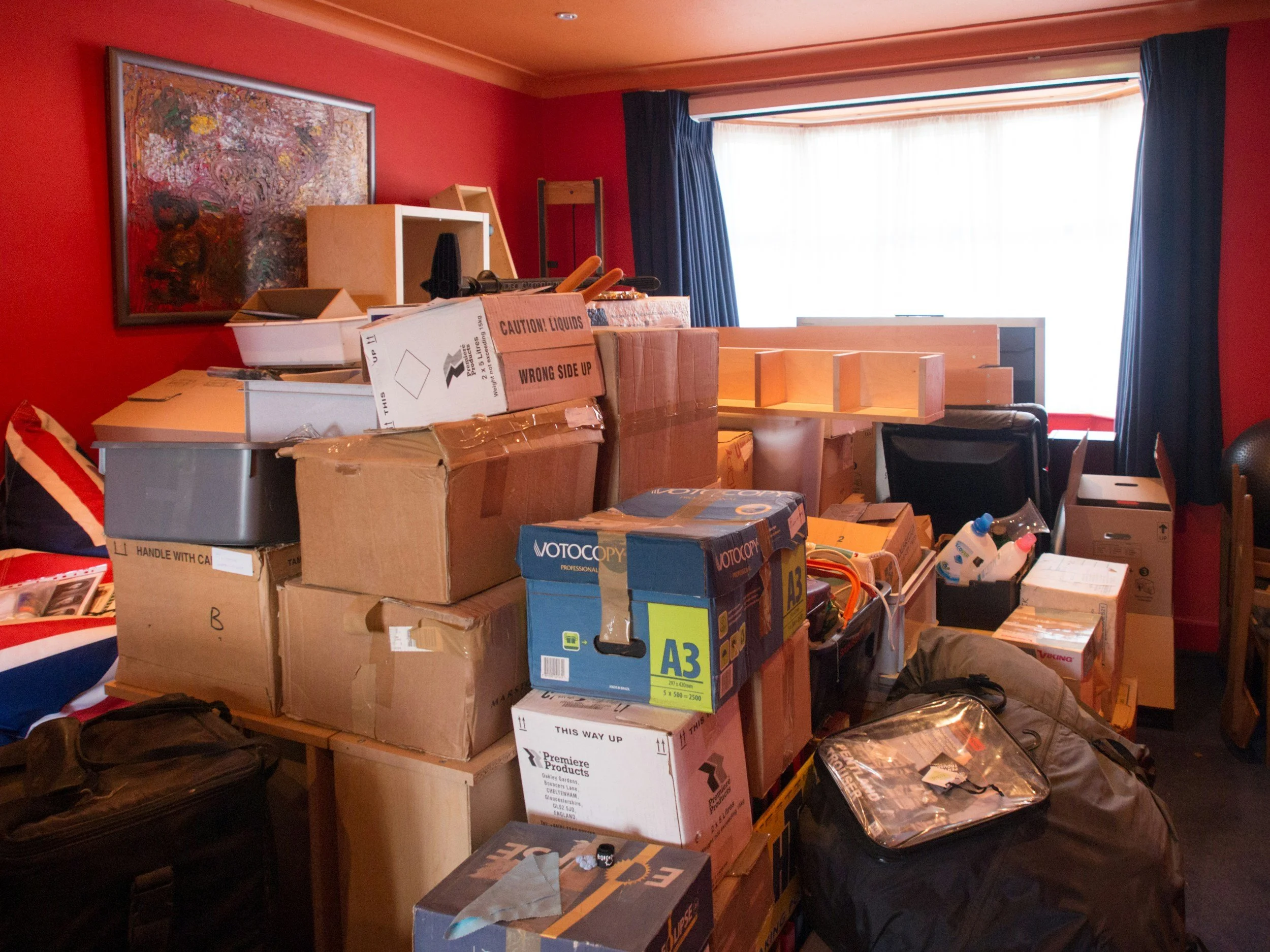
Let's be honest: moving house is one of those things that sounds exciting in theory and slightly chaotic in practice. Even when you're thrilled about the new place, the process of actually getting there — the boxes, the paperwork, the endless to-do list — can wear anyone down.
That's exactly why we've put together this in-depth moving house checklist. Think of it as your step-by-step companion for the weeks ahead, breaking everything down into manageable chunks so nothing slips through the cracks — from labelling your boxes properly to remembering to defrost the freezer (yes, people really do forget).
Keep this guide handy as you go and tick off each task as you tackle it. You've got this.
Eight Weeks Before: Plan and Declutter
Two months out is the sweet spot for planning, decluttering and getting your belongings organised. And decluttering isn't just about sorting through clothes and décor — it's also about knowing exactly where your important documents live, so nothing gets lost in the shuffle.
Start decluttering early
Here's a simple system that works well: sort your belongings into four clearly labelled boxes — keep, rubbish, sell/donate, and storage (for those "used occasionally but still love" items like seasonal décor).
Not only does this cut down what you actually need to pack, it means your new home feels tidy and welcoming from the moment you walk in. There's also something genuinely satisfying about decluttering — it can feel like you've already made progress before moving day even arrives.
Get your moving documents in order
Once the move is underway, your belongings will be scattered across your old place, your new place, and whatever's currently sitting in the removalist truck. That's exactly when you'll want your important documents close at hand — so pop them all into one folder or binder you can grab at a moment's notice.
Make sure it includes:
Estimates from removalists
Copies of contracts and/or rental agreements from your real estate agent
Birth certificates, passports and other important documents (kept somewhere secure)
A list of valuable items that could be damaged or lost during the move
Do your homework on removalists and cleaners
Professional removalists, truck rental services and end-of-lease cleaners can take a huge amount of pressure off your shoulders. It's worth spending some time reading reviews and asking friends and family for recommendations to find a company you can trust. There are plenty of comparison and booking websites out there that make this process quick and painless — and getting a few quotes upfront means you'll know exactly what's included and what it's all going to cost.
Pick a weekday if you can
Mondays through Thursdays tend to be the best days to move. Demand for removalists is lower, which often means better rates too.
Steer clear of peak hour
Try to avoid moving during school and work traffic — the longer it takes to get your belongings from A to B, the more you'll pay in removalist hours.
Moving interstate? Here's what to expect
Friends and family can be a great help for a local move, but when you're heading interstate, hiring professionals is often worth every dollar. Depending on your quote, this could include:
Transporting your belongings interstate to your new home
Optional packing and unpacking services
Optional cleaning services
Storage for your items, if needed
Insurance while your belongings are in transit
According to data from Muval, interstate moving costs vary quite a bit depending on your destination. Here's what the average job tends to cost:
Destination & Average Cost
Brisbane - $6,572
Sydney - $6,253
Melbourne - $5,318
Adelaide - $5,736
Canberra - $7,046
Plan your new home's layout
Amid all the logistics, this is the fun part! Before moving day rolls around, take some time to think about where your furniture will go. A simple floor plan means that when everything arrives, you'll know exactly where it belongs — and your removalists will too, saving you the hassle of dragging the couch around later trying to find the "right" spot.
Consider a storage space
Things can get hectic mid-pack. If you need somewhere to temporarily park some belongings — or just want to separate a few items from the rest — a storage space can be a real weight off your mind and help keep the process organised.
Five to Six Weeks Before: The Lead-Up to Packing
Wind down your grocery shopping
Moving groceries is one hassle you can avoid entirely. Start scaling back before moving day, and if you can't cut it all out, at least limit anything that needs to stay cold — hours in the back of a removalist van isn't kind to perishables.
Gather your packing supplies
It's easy to get swept up in the big-picture moving tasks and forget the simple essentials. About a month out, stock up on:
Large, heavy-duty moving boxes
Bubble wrap
Moving tape dispensers
A set of Allen keys and screwdrivers (both Phillips and flat-head) for dismantling furniture
Sell or donate what you don't need
Still got a way to go through your wardrobe or décor? You can sell unwanted items online or hold a garage sale. Anything in good condition that you'd rather not sell can be donated to charity or passed along to friends who might love it.
Four Weeks Before: Start Packing and Notify Providers
Pack with a system
Start with the non-essentials and save your everyday items for last, labelling boxes clearly as you go. A colour-coding system or a simple inventory list can work wonders here — and there's a real sense of momentum in checking items off as you pack.
A couple of packing tips: don't overload your boxes, and put the heaviest items at the bottom to avoid breakages or boxes that are simply too heavy to lift.
Keep valuables separate
Fragile items deserve their own box, cushioned well with bubble wrap or soft materials. It's also worth gathering up all your remote controls into one labelled box so they don't vanish into the moving day chaos.
For anything that poses a safety risk — gas cylinders, for example — it's best to transport these upright in the boot of your car rather than in the removalist truck. If you're unsure how to safely move hazardous items, do a bit of research beforehand or ask your removalist company directly.
Arrange final readings and service transfers
Cancel or transfer your utility services in plenty of time so everything's ready to go the moment you step through the door. Requirements vary by provider, so it pays to check in advance and avoid any gaps in your water, electricity or gas.
Update your address everywhere it matters
Before the big day, make sure your new address is on file with:
Your bank and other financial institutions
Medical professionals
Service providers (like your mobile phone company)
Utility providers
Government agencies (such as Medicare)
The Australian Electoral Commission
Your legal representation
The Australian Taxation Office
Your state's driving licence and vehicle registration authority
Reward or loyalty programs (Flybuys, Everyday Rewards, and the like)
And don't forget to redirect your mail through Australia Post while you're at it.
Let your insurer know
Your car, home and life insurance providers all need the heads-up too. This ensures your policies are correct and valued at your new address.
Three to One Week Before: Final Preparations
Book time off work
If you're staying in your current job, chat with your employer about taking the moving day off — and maybe a day or two after, so you can properly get settled.
Pack your first-night essentials box
This one's a game-changer. Gather everything you'll need for your first night in the new place — chargers, toilet paper, sleepwear, bedding, a kettle, tea, mugs, plates, cutlery, snacks, towels, bathroom basics and a few essential tools. Label it clearly "pack last" so it's the last thing loaded and the first thing unloaded.
A Few Days Before: Final Checks
Confirm the details with your removalists
Get a specific arrival time and an estimated completion time from your removalist team. Doing it yourself with the help of friends or family? Lock in your times with them now so everyone knows what to expect.
Prep your whitegoods
Give your washing machine and dryer a clean before the move, and remember to switch off, empty and defrost your fridge and freezer. Skipping this step is a common (and messy) mistake — a little prep here saves a lot of hassle later.
On Moving Day
Check off your inventory as you load
As items go onto the truck (or into the car), work through your packing list to make sure nothing's been left behind.
Do a final walkthrough
Before you hand back the keys, take one last look around and ask yourself:
Are all windows closed and locked?
Is the heater or air conditioner switched off?
Is the water shut off?
Have all keys and garage door openers been returned to the real estate?
Are all doors closed and locked?
Has anything been damaged during the move?
Have you left anything behind?
Is there anything else you might have missed?
It's also a smart move to snap a few photos of the property as you leave it, just in case there's ever a dispute over its condition.
After Moving Into Your New Home
The first 48 hours
Track down your essentials box and unpack what you need to get comfortable.
Head to the hardware store and get some 3M removable hooks.
Locate your smoke alarm, electrical circuit breakers, water mains and gas shut-off valve, just in case.
The first week
Update your car registration with your new address.
Transfer your pet's registration if you've moved to a new council area.
Look up your suburb's bin collection days and set yourself a reminder.
Say hello to your new neighbours! It's a nice way to settle in — and handy to have someone keeping an eye on your home when you're away.
The first month
Find a local doctor and, if you have a pet, a nearby vet.
Check in with your old neighbours to see if any mail has arrived at your previous address, so nothing important slips by.
Moving house is a big undertaking, but breaking it down step by step makes it so much more manageable. Work through this checklist at your own pace, and before you know it, you'll be settled into your new home.
If you would like more information, contact the YHH team today.