
Tips to move and settle into your new home
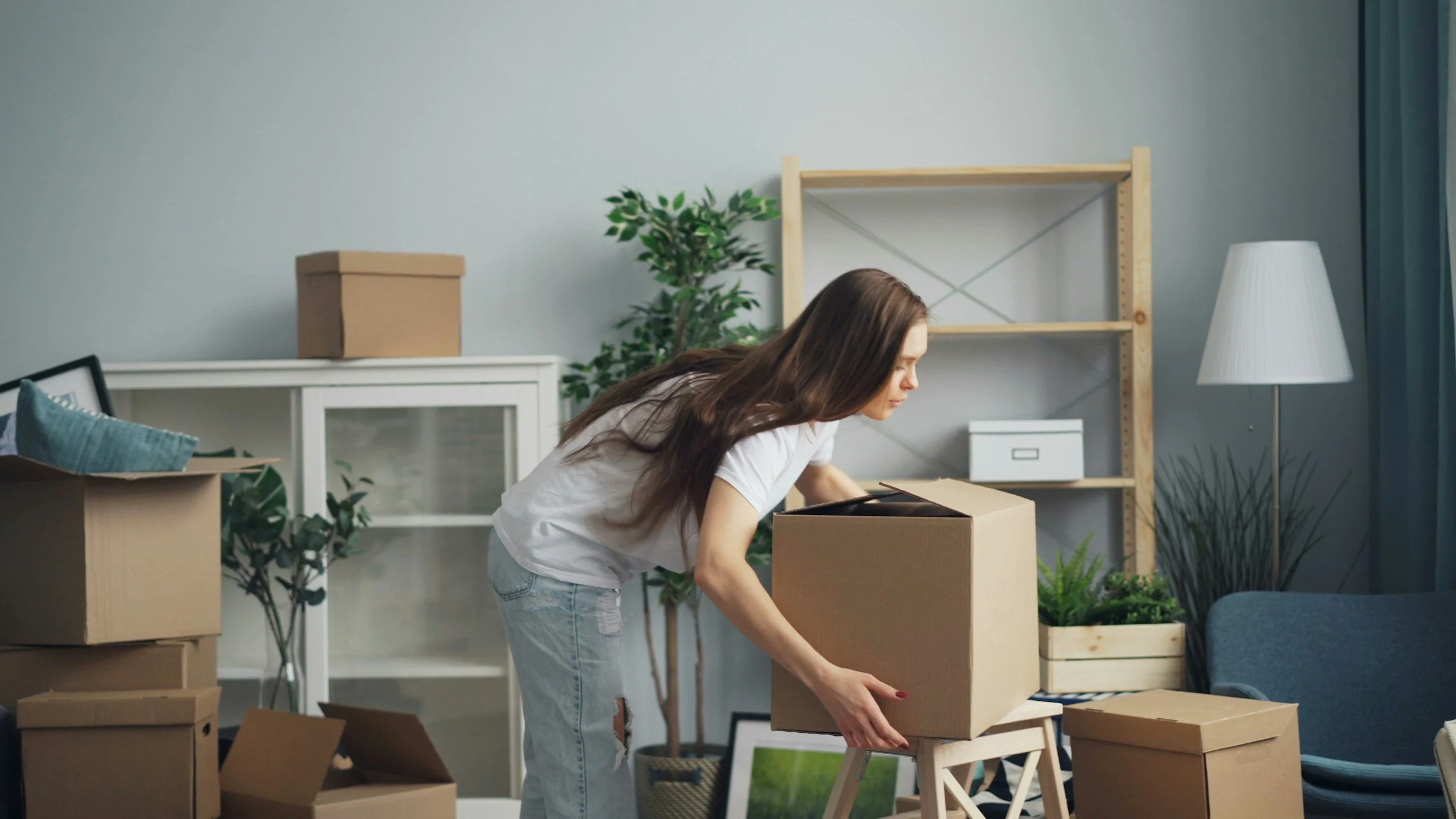
You only get one chance to make a first impression. If you are moving house, here are some simple ways to start off on the right foot with your new neighbours. Settling into a new neighbourhood involves more than unpacking boxes and decorating your home – it is also about building connections with the people around you. From discovering your new local coffee spot and getting to know the barista, to finding the best trivia nights, your move can be far less stressful than you might think when you are well prepared.
Here are some practical tips to help you get to the good part sooner and create lasting, positive impressions that may lead to genuine, neighbourly friendships.
Notify neighbours of your moving day
This step may feel a little unusual, especially as you do not live there yet and may not have met anyone, but it can make a big difference.
A few days before you move, let your future neighbours know the date and approximate times you will be moving in. This courtesy prepares them for any temporary inconveniences, such as extra noise or vehicles that may partially block the street. A simple heads-up shows consideration from the outset and can help avoid frustration.
Plan your move thoughtfully
Moving can quickly spill over from your property onto the street, affecting your neighbours’ day-to-day lives. Planning ahead and using an appropriately sized moving truck can help ensure your belongings are contained and transported in fewer trips. This approach reduces disruption in the neighbourhood, helps keep the street clear, and can lower the overall stress of moving day.
Finishing the heavy lifting earlier also gives you time to relax and perhaps greet a few locals before the day is over.
Introduce yourself early
There is no need to wait until every box is unpacked before saying hello. A quick introduction or even a friendly wave can go a long way.
If you see a neighbour nearby, take a moment to pause, introduce yourself, and exchange names. This small gesture helps break the ice and sets the tone for future interactions. It shows that you are interested in being part of the community, not just living behind a fence.
Manage pet disturbances
If you have pets, plan how they will be managed on moving day, as the upheaval can cause them stress and unpredictable behaviour.
Keeping pets secure and as calm as possible helps keep them safe and also prevents excessive barking, escaping, or other disturbances that might worry or annoy neighbours. Thoughtful pet management creates a smoother move for everyone involved.
Dispose of packing materials properly
After unpacking, you will probably have a large number of boxes and other packing materials.
Break down cardboard boxes and place them in recycling bins where possible, or arrange appropriate collection or disposal. Avoid leaving packaging piled up outside, as this can affect the appearance and cleanliness of the street and may frustrate neighbours.
Keep noise to a reasonable level
It is not only pets that create noise. While it is tempting to celebrate your new home with a large housewarming early on, it is best to ease into things. Loud music or a big late-night gathering in the first week can set the wrong tone. Be mindful of noise levels during the move and in the days immediately after, keeping louder activities to reasonable hours.
Look for opportunities to be considerate
Small acts of kindness are a powerful way to build goodwill. If you notice an opportunity to help, such as bringing in a neighbour’s bins or tidying the shared nature strip, consider doing it.
These gestures are simple but memorable, and they help establish you as a thoughtful, community-minded neighbour.
Be mindful with parking
In the first few days, observe how parking and shared spaces are generally used in your new street or building. Park considerately, avoiding driveways, access points, or taking up more space than necessary. If you are unsure, ask neighbours about any informal parking habits or preferences so you can avoid misunderstandings and start off on good terms.
Respect personal boundaries
Friendliness matters, but so does respecting privacy. Avoid being overly intrusive, and do not allow pets or children to wander uninvited into neighbouring yards. A balanced approach – warm, courteous, yet respectful of personal space – is key to maintaining comfortable, long-term relationships.
Maintain your property
Keeping your property tidy and well maintained contributes positively to the overall look and feel of the neighbourhood. Regular tasks such as mowing the lawn, trimming hedges, and looking after the exterior show that you take pride in your new home. This effort reflects not only on you but on the wider community, making the area more pleasant for everyone.
Serial movers tips to settle into your new home
Moving to a new place can be exciting, but getting settled often feels overwhelming. Experienced movers, however, know a few practical strategies that make the transition smoother and more efficient. Here are some tried-and-tested tips from people who move often and have learned how to make a new house feel like home quickly.
Start early and plan ahead
Begin packing several weeks before your moving date rather than leaving everything to the last minute. Start with items you use less frequently, such as off-season clothing, books, or decorative pieces. This staggered approach reduces last-minute stress and gives you time to sort and organise your belongings thoughtfully.
Declutter before you pack
Moving is an ideal time to assess what you truly need and use. Set aside items you no longer want or require and consider holding a garage sale, donating them, or recycling where possible. Fewer items mean less to pack, transport, and unpack, making the entire move simpler and more efficient.
Label every box clearly
Label each box on multiple sides with both its contents and the room it belongs in. Clear labelling saves time both when loading the moving vehicle and when unpacking in your new home. Using different coloured tape or markers for each room can make it even easier to identify where boxes should go.
Use space wisely
Make use of existing containers to save space and reduce the number of boxes needed. For example, pack books or other heavy items into suitcases with wheels, place bulky items like towels in laundry baskets, and use smaller items to fill gaps in appliances such as slow cookers or pots.
Pack room by room
Focus on one room at a time and complete it before moving on to the next. This keeps items from each room together and makes unpacking and organising in your new home far more straightforward. Where possible, group boxes from the same room together in the moving truck so they can be unloaded directly into their final destination.
Set up key furniture and appliances first
On arrival, start by positioning major furniture pieces and essential appliances. Many experienced movers recommend setting up the bed first, so you have a comfortable place to sleep after a long day. It is much easier to move large pieces like couches and refrigerators before smaller items and boxes fill the space.
Make the kitchen functional early
You may not have every cupboard perfectly organised at first, but a functional kitchen makes daily life much easier. Begin by setting up major appliances and then unpack everyday items, such as plates, glasses, cutlery, and a few basic pots or pans. Being able to prepare simple meals helps you settle more quickly and reduces reliance on takeaway food.
Add personal touches
A new space can feel unfamiliar for a while, so introducing personal elements can speed up the “this feels like home” feeling. Displaying photographs, favourite artwork, and treasured items can instantly make rooms feel more welcoming and reflective of your personality. Indoor plants are another simple way to add warmth, colour, and a sense of familiarity to your new environment.
Explore your new neighbourhood
Getting to know your surroundings helps you feel connected to your new area. Take time to explore local cafés, restaurants, shops, parks, and community facilities. As you walk around, you will naturally learn the area, discover favourite spots, and may even meet neighbours and local business owners along the way.
Give yourself time
Even with the best planning, it is normal for a new home to feel unfamiliar at first. Many people find it takes several weeks to a month to feel truly settled in a new space. Be patient with the process, follow these practical steps, and allow yourself time to adjust – before long, your new house will feel like home, and you will be free to enjoy all the good things that come with a fresh start.
If you would like more information, contact the YHH team today.