
Reasonably Clean?
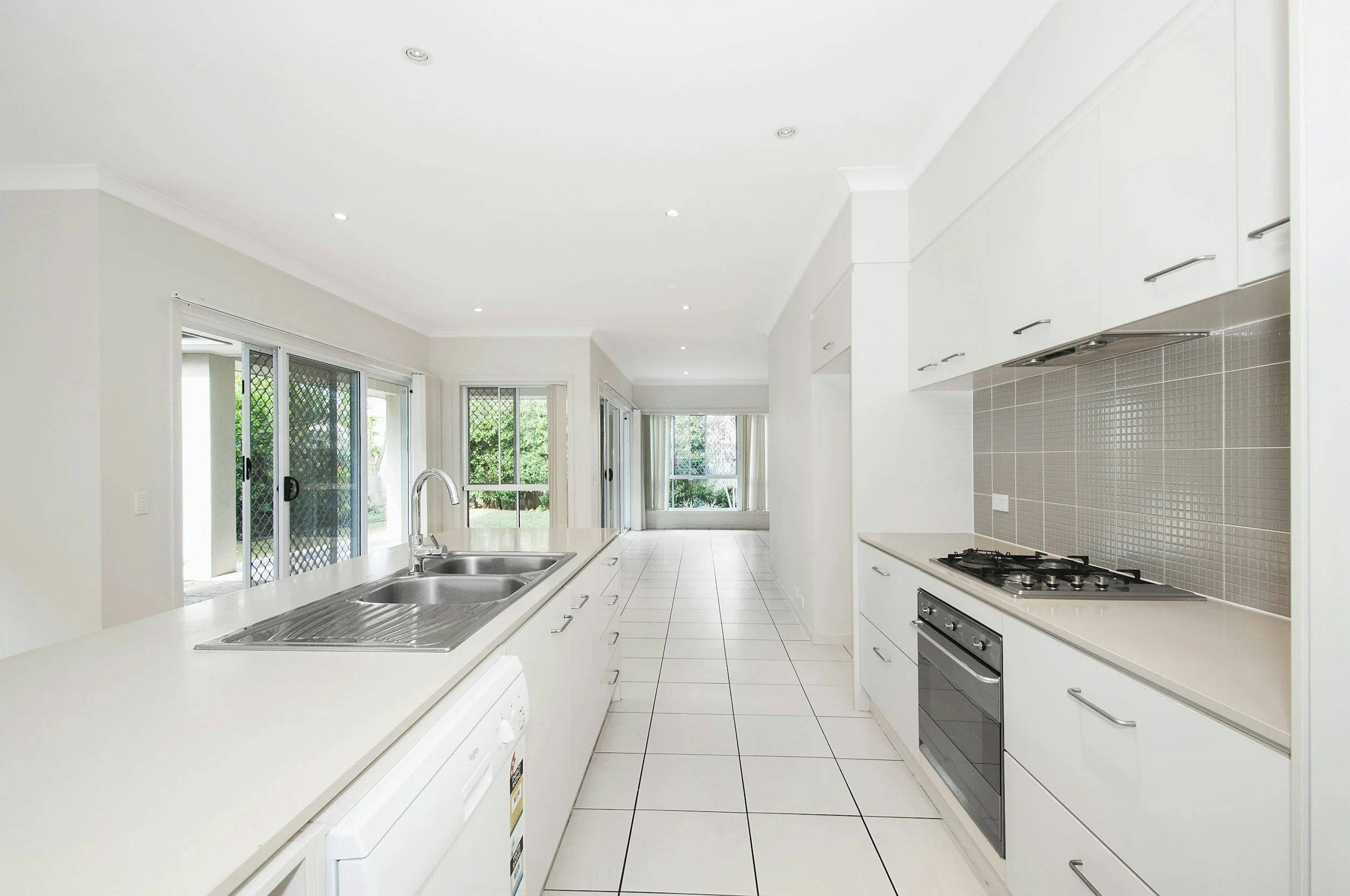
How Clean Should a Rental Property Be When You Move In?
When moving into a rental property, it’s only natural to expect a clean and tidy space. But what exactly qualifies as “clean”? The definition can vary depending on whether you’re the tenant, the landlord, or the property manager—and state legislation also plays a part.
Each state in Australia has slightly different requirements regarding cleanliness at the start of a tenancy. For example:
• Victoria: The property must be reasonably clean.
• South Australia: The premises must be in a reasonable state of cleanliness.
• Queensland: The property must be clean at the beginning of the tenancy.
So, what happens if you pick up the keys, arrive at your new place—and it’s not up to your standards?
After 15 years in the rental space, I've seen $ 500 week rentals that are immaculate and $ 1,500 week homes where the cleanliness is questionable. It’s not always about the price.
Here’s what you should do:
1. Review the In-going Condition Report Carefully
• Compare the report to the actual condition of the property.
• Note any discrepancies and take time-stamped photos.
• Return your completed report with additional photos to the agent with any additions or corrections.
2. Check for Minor Issues
• If a couple of light globes aren’t working, it may simply be because the power was off during the outgoing inspection. It’s often easier to replace them yourself but make a note in the condition report that they were blown when you moved in.
3. Decide How Much You're Willing to Accept
• A bit of dust, a few cobwebs, or a slightly greasy rangehood might be annoying but manageable. You can choose to clean these yourself or email the agent, flagging them as minor maintenance concerns.
4. Address and Raise Concerns About Significant Cleaning Issues
• If you notice major cleanliness problems—such as a dirty oven, uncleaned bathrooms, stained carpets, or dirty, unclean floors—it’s important to document these issues clearly with photos. Reach out to your property manager promptly to raise your concerns and ask whether the property was professionally cleaned before you moved in.
Bottom line: A rental property should meet a reasonable cleanliness standard when you move in, as outlined by your state's tenancy laws. If it doesn’t, document everything and communicate clearly with your agent—it sets the tone for the rest of your tenancy.
How Clean Should a Rental Property Be When You Move Out?
When it comes to rental agreements, tenancy laws don’t expect a property to be spotless or hotel-standard pristine, but nor should it be left messy or unhygienic. Instead, the benchmark is what the average person in the community would consider “reasonably clean.”
This standard takes into account the nature, age, and condition of the property, as well as normal expectations for residential living.
What Does “Reasonably Clean” Mean?
A property is usually considered reasonably clean when surfaces are free of obvious dirt, dust, stains, and cobwebs – and when additional effort would not significantly improve the result. For example, wiping down a benchtop multiple times won’t make it look any cleaner once it’s already been properly cleaned.
Key Factors in Assessing Cleanliness
When determining whether a property is reasonably clean, the following are often considered:
• Condition at move-in:
o Compare the current state of the property to the ingoing condition report and photos/videos taken at the start of the lease.
o Close-up photos can help show pre-existing scuff marks, carpet wear, or appliance condition.
o If the property was professionally cleaned before move-in, this may set the benchmark for move-out.
• Mould and damp:
o Consider whether mould was caused by tenant neglect or is due to the building itself (e.g. lack of adequate ventilation)
• Fair wear and tear:
o Landlords and property managers must allow for normal use over time, such as minor carpet wear or small wall marks.
Bottom Line
“Reasonably clean” does not mean flawless – it means fit for ordinary living and free of avoidable dirt, mess, or neglect. The best way to protect yourself as a tenant is by understanding the legal standard and keeping good records, you’ll avoid unnecessary disputes and ensure a smoother end-of-lease process.
Your Home Hunter tip
We recommend you consider using one of the Property Managers preferred cleaners. If they don’t perform the exit clean to the Property Managers standard, they can be instructed to return to the property and address the issues at no additional cost to you.
If you would like more guidance on reasonably clean, contact the YHH team today.