
The Ins and Outs of Furnished Rental Properties
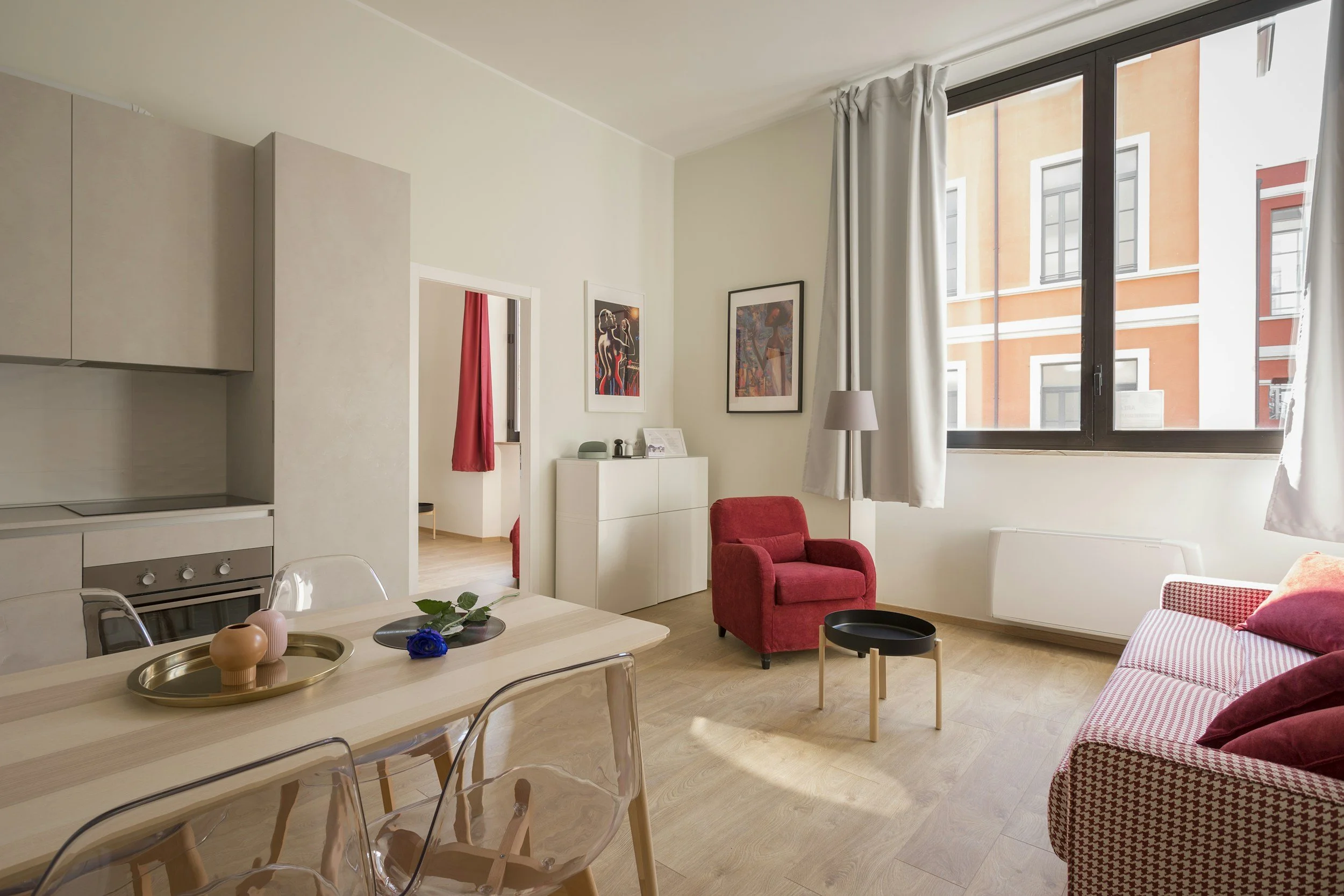
Over the last few months, we have seen a notable increase in rental properties being offered furnished or partially furnished. Acknowledging this, we want to take a closer look at the furnished rental market.
As part of this, we will explore what’s driving the growing popularity of these properties, and what they usually include. We will also consider the pros and cons of a furnished property, and the types of tenants they best suit.
The increasing popularity of fully furnished rental properties
In our experience, increasing demand for furnished rentals is usually a direct response to other social and economic factors. For example, major infrastructure development programs usually bring an influx of skilled professionals to a location. As most of these new residents are only relocating temporarily, this often results in a spike in demand for furnished properties.
While the supply of furnished rentals will often match changes in demand, regulatory changes can also lead to more listings. For example, the recent introduction of Victoria’s short-stay levy has made listing properties on sites like Airbnb less financially attractive. As a result, many owners are choosing to start offering their short stay furnished accommodation on longer lease terms.
What does a furnished rental property include?
In Australia, the vast majority of rental properties are unfurnished. These will usually include basic built-in appliances, like ovens and dishwashers (if installed), as these are considered “fixtures”. Some higher-end properties may be leased with other appliances built-in, like fridges and washing machines, while still being considered unfurnished.
If a property is being leased with some key items in place, it will usually be advertised as “partially furnished”. Most often, it’s the white goods (fridge, washing machine, etc.) or basic furnishings (lounge, bed, etc.) that are supplied. However, exactly what is included can vary greatly, and may not be clear from the online listing.
What a “fully furnished property” includes can also vary greatly, though this term usually means most key furnishings are provided. That said, the furnishings are often fairly basic, and additional items may be required to make the property more comfortable. The condition of furnishings may also not be great, particularly if the property has been a long-term fully furnished rental.
Some properties go a step further toward being turn-key, with everything you need provided as part of the lease. These are usually advertised as “fully equipped”, and include all kitchenware (crockery, cutlery, etc.) and even decorative items (books, artwork, etc.). Many of these properties are also “all inclusive”, meaning the cost of utilities (water, electricity, gas, Wi-Fi, etc.) is included in the rent.
When looking at furnished rental properties online, there are a few important things to be aware of:
Most real estate sites only have one “furnished’ option for rental listings. As such, when you filter for furnished properties, the full range – from partially to all inclusive – may be shown.
There is a “furnished” checkbox agents need to tick when setting up the listing for a furnished rental property. As this step is sometimes missed, the furnished filter will sometimes filter out some furnished properties.
For hygiene reasons, linens (bedding, towels, etc.) are usually not provided as part of a rental property. As such, you should generally expect to have to purchase / use your own linens, even when leasing an all-inclusive property.
The benefits of renting a furnished property
The biggest advantage of a furnished rental property is the convenience it can provide. Minimising the amount of stuff you need to move, minimises the time and effort – and cost – required. This is particularly beneficial if you are looking at a shorter term lease or are moving to a new city.
Depending on your situation and plans, a furnished property may also be the more cost effective option. Regardless of whether you are buying new stuff or relocating your existing stuff, furnishing a property can be very expensive. It also adds to the total cost of your accommodation while you are in an unfurnished property.
When you rent a furnished property, you do not have this additional cost. This can help offset the premium you will pay for a furnished property – particularly over shorter lease terms.
Key considerations when choosing a furnished rental property
The most obvious drawback of a furnished rental property is that your weekly rent will be higher. Exactly how much higher will depend on the size of the property and the quality of the furnishings. However, you should expect to pay at least $50 - $100 more per week than you would for a comparable unfurnished property.
Furnished, and particularly fully furnished and fully equipped, properties also tend to be more difficult to find. They are less common on the long-term rental market, as supply tends to be fairly limited. They also tend to be located around popular business and tourism hubs, and almost non-existent in most other areas.
From the feedback we have received from renters, it can also be difficult to feel settled in a furnished property. Inclusions tend to be pretty basic, and landlords usually only replace or upgrade furnishings when they are broken. Even higher-end, fully equipped properties tend to feel less homey, as there are usually limited opportunities for personalisation.
Is a furnished rental property worth it?
This is a difficult question to answer as it really depends on your situation.
If you want to make your move as quick and easy as possible, a furnished property might be a good option. Similarly, if you are relocating from interstate or overseas, a furnished property could save you a lot of stress. However, you will need to be comfortable spending more on rent, and ideally looking to live near the city centre.
Conversely, if you are planning to be in your new home more than 12 months, unfurnished is probably best. The additional cost of a furnished property becomes harder to justify over the longer term. Furnishing a property yourself also allows you to tailor it to your unique tastes, which should make it more comfortable.
If you have specific requirements, being open to unfurnished properties should make it easier to find a suitable place. And, if you still want the convenience of a furnished property, you could consider renting your furniture separately. Most furniture rental companies provide a range of packages and have options to suit different budgets and property sizes.
If you would like more information on furnished rental properties, or to discuss whether a furnished property would work for you, contact the YHH team today.