
Could Capping Rent Increases Solve the Rental Crisis?
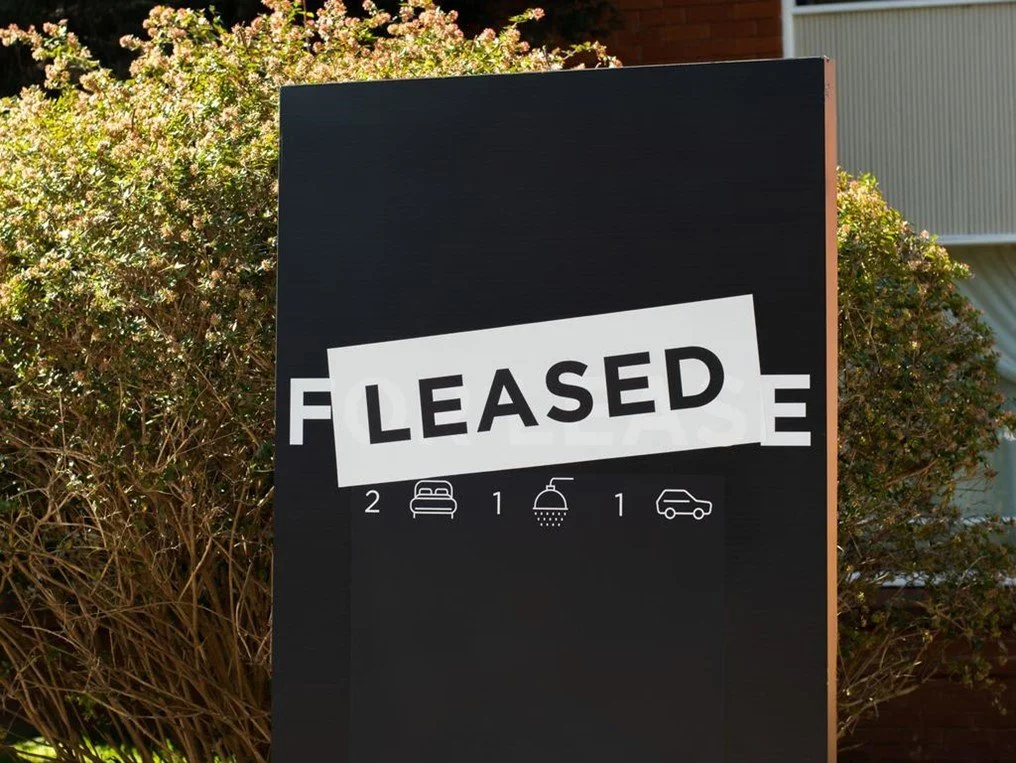
There is increasing pressure on Governments across the country to help find solutions to the growing “rental crisis”. As a result, a variety of potential programs to support renters and manage market conditions have been proposed. One of the most high-profile – and highly contentious – is implementing rent controls, like a cap or freeze on rent increases.
To some, limiting rent increases is an obvious way to curb skyrocketing rent rates and potentially save renters billions. To others, such controls would only exacerbate the current issues, deterring private investment and further limiting supply. But what’s the truth?
Here we take a closer look at the concept and potential impacts of rent controls. As part of this, we will explore what they are and how they could be structured. We will also look at how different control measures are working in practice and share our thoughts on their effectiveness.
What are rent controls?
Rent control is a broad term that applies to measures designed to limit the amount a landlord can charge tenants. This includes the two main approaches currently being proposed for the Australian rental market – a rent freeze and rent caps.
As the name suggests, a rent freeze requires rents to be kept at their current levels. This completely stops rent growth and allows wages to catch up to recent rent rises, effectively increasing affordability. As they are quite restrictive, rent freezes are generally implemented for a set period, usually only a few years.
In contrast, rent caps impose a maximum amount for rent increases and still allow rents to grow over time. Caps are generally set as a percentage of the current rent, most often based on key market metrics, like inflation. As such, they are seen as responding to market conditions, and usually proposed as long-term solutions.
The case for rent controls
The primary benefit of rent controls is that they should save tenants money – at least in the short term. Limiting rent increases means tenants will end up paying less, leaving them with more money to cover other essential costs.
When rent controls are in place, any increases tenants experience should also be more manageable. If the maximum increase rate is known, tenants can work out what it could mean for them and prepare for that possibility. This should help reduce the risk of tenants needing to move out because they can no longer afford the rent.
Depending on how they are designed, rent controls also slow, if not completely stop, overall growth in rents. This should help improve affordability and make it easier for tenants to find a property that works for their budget.
The case against rent controls
Many experts believe that, over the longer term, rent control actually make market conditions worse. This is because restricting rent growth means restricting the potential returns private investors can achieve from rental properties. This would make property a less attractive investment option, potentially creating supply issues as investors sell up and put their money elsewhere.
This is a particular concern here in Australia, where private investors are the majority provider of rental properties. This, combined with the broader housing shortage in many areas, means deterring private investment could significantly impact rental availability.
Moreover, limiting rental returns could also discourage ongoing investment in the maintenance and upgrading of rental properties. As a result, rent controls could leading to the quality and condition of rental properties deteriorating over time.
Rent caps in practice
As it stands, the ACT is the only jurisdiction with rent controls in place, capping increases at 110% of rental inflation. This means that, if the ACT’s median rent increased by 4% over the previous year, the maximum allowable rent increase would be 4.4%. Importantly, this only applies to existing leases, so landlords can raise the rent by more when looking for a new tenant.
As this rule was implemented only a few years ago (in 2019), its impact is difficult to measure. Supporters of rent controls note that Canberra is currently one of the coolest capital city rental markets. Over the last 12 months, the city’s median rent has largely stayed stable, with some market segments actually seeing decreases.
However, this follows a period of significant growth, with the city’s median rent increasing by over 20% percent between September 2020 and September 2022. Canberra is also one of Australia’s most stable rental markets and generally sees more modest movements than most locations. The city’s higher vacancy rate also suggests supply of new listings hasn’t been as limited over the last 12 months.
Looking overseas, we see equally mixed results for rent control schemes:
In the US, several large cities, like New York and San Franscisco, have had rent controls in place for decades. The impact of these have been researched extensively, with most studies finding that controls helped keep tenants in place longer. However, many studies also found that rent controlled properties were in poorer condition, as landlords were reluctant to invest in maintenance.
In Sweden, strict controls were put in place after World War II. These have helped keep rents down, with some estimates indicating that the average rent is 70% lower than it would be if the market was unregulated. However, they have also led to a severe supply shortage, with waiting times for rent controlled properties exceeding 20 years in some areas.
In Berlin, a 5-year rent freeze was implemented in 2020 to help address growing affordability issues. In response, investment in housing significantly decreased, causing construction to slow, and deepening supply issues. As a result, the freeze was overturned in 2021, with legislators noting the complexities associated with implementing rent controls.
Our verdict
It seems fairly logical that thoughtfully designed rent controls could provide some short term financial relief to tenants. However, the cost of renting is only one part of the significant challenges renters currently face. And evidence suggests that rent controls could actually make the other elements worse over the long term.
As such, we believe that while rent controls could be part of the solution, they are not a silver bullet. To have a lasting positive effect, they would need to be paired with measures that effectively address supply shortages. They would also need to be time limited, providing immediate relief while the more systemic issues are addressed.